GLP-1s for Diabetes and Obesity: How They Work and How Patients Can Help Research
By Cait Williamson, PhD
Posted: October 23, 2026
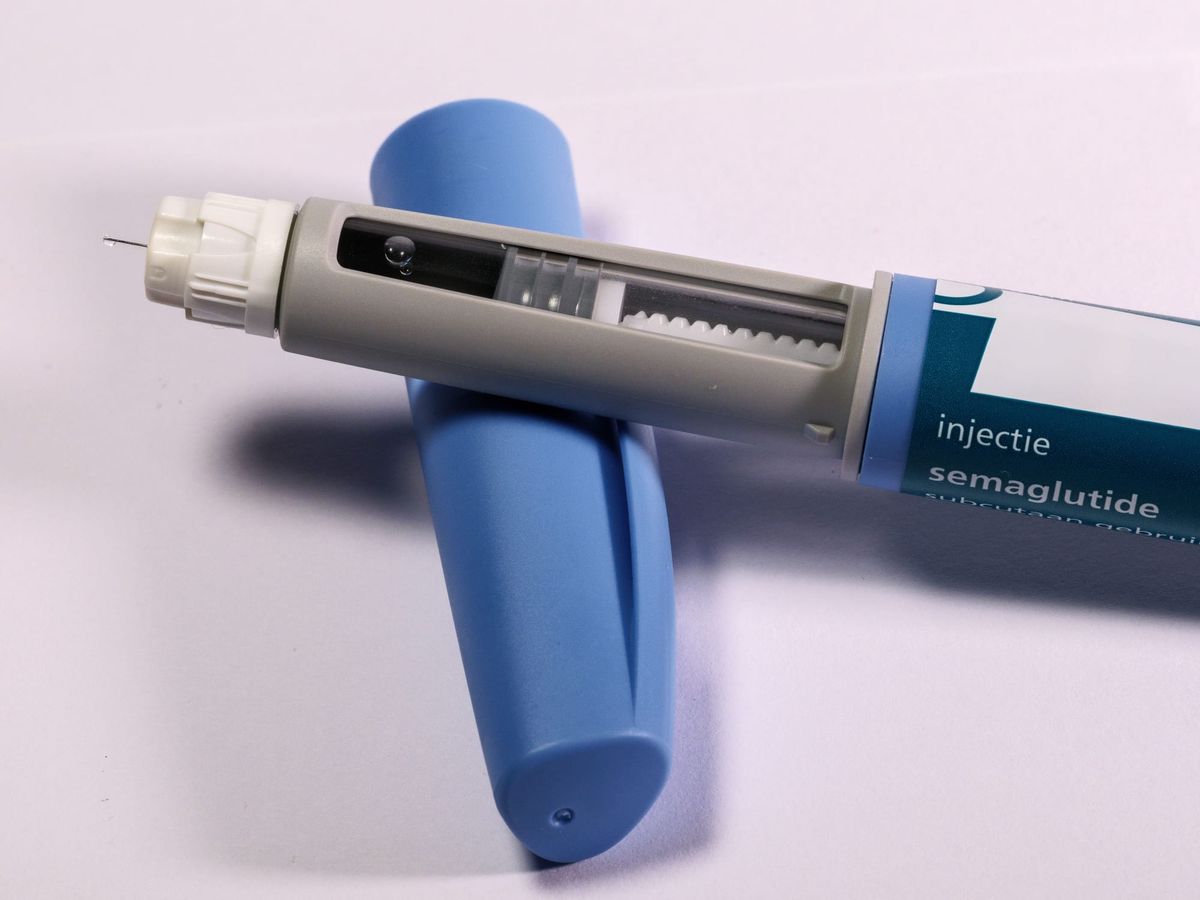
GLP-1 medicines such as semaglutide (Ozempic, Wegovy) and tirzepatide (Mounjaro, Zepbound) have gone from a specialized type 2 diabetes treatment to some of the most discussed drugs in modern medicine. In this article, we'll walk through how GLP-1s work, how they moved from diabetes care into obesity treatment, what research is underway, and how patients can help shape what comes next.
What are GLP-1s and how do they work?
GLP-1 stands for glucagon-like peptide-1, a hormone your gut releases after you eat. It prompts the pancreas to release insulin when blood sugar is high, tells the liver to produce less glucose, slows how quickly the stomach empties, and acts on appetite centers in the brain to increase fullness. Natural GLP-1 breaks down within minutes, but GLP-1 receptor agonists (compounds that mimic GLP-1) are engineered versions that last long enough, often a full week, to keep those effects going.
Because insulin release depends on blood sugar level, these medicines carry a low risk of hypoglycemia (low blood sugar) when used on their own. That pairing of better glucose control and reduced appetite explains why one drug class can help with both type 2 diabetes and obesity. The most common side effects are gastrointestinal, such as nausea, vomiting, diarrhea, and constipation, which often ease as the dose is gradually increased.
How GLP-1s went from diabetes treatment to weight loss
GLP-1s reached the market as a drug for diabetes. Weight loss started as a side effect that researchers noticed, then grew into its own approved use:
- 2005: Exenatide (Byetta) becomes the first GLP-1 medicine approved for type 2 diabetes.
- 2010: Liraglutide (Victoza) arrives as a once-daily option.
- 2014: A higher dose of liraglutide (Saxenda) is approved for chronic weight management.
- 2017 and 2021: Semaglutide is approved as a once-weekly diabetes treatment (Ozempic), then for weight management (Wegovy).
- 2022 and 2023: Tirzepatide (Mounjaro, Zepbound) adds a second hormone target, GIP, and is approved for diabetes and then obesity.
Later trials also showed benefits beyond blood sugar and weight: semaglutide lowered the risk of heart attack and stroke in the SELECT trial, slowed kidney disease in the FLOW trial, and improved a form of fatty liver disease (MASH) in the ESSENCE trial. These results have widened how GLP-1 medicines are used.
What's next in GLP-1 research
The field is moving quickly. Clinical trials and real-world evidence studies are working to answer several key questions:
- Oral GLP-1 pills: Orforglipron (Foundayo) was approved by the FDA in April 2026 as the first oral, small-molecule GLP-1 for weight management. It can be taken any time of day without food or water restrictions, and it is also being studied for type 2 diabetes.
- Triple agonists: Retatrutide targets GIP, GLP-1, and glucagon receptors. In the Phase 3 TRIUMPH-1 obesity trial, every dose met its primary endpoints at 80 weeks, with average weight loss of up to 28.3% at the highest dose. In TRANSCEND-T2D-1, published in The Lancet, adults with type 2 diabetes lost 15.3% of body weight at the highest dose versus 2.6% with placebo over 40 weeks, and HbA1c (a measure of average blood sugar over about three months) fell by 1.94 percentage points versus 0.81.
- Amylin combinations: CagriSema pairs semaglutide with cagrilintide, an amylin analogue that acts on a separate appetite pathway. Novo Nordisk filed with the FDA in December 2025, and the company expects a decision by the end of 2026. Because amylin and GLP-1 curb appetite in different ways, researchers hope the combination will produce greater weight loss than either alone.
- Open questions: Researchers are now focused on preserving muscle during weight loss, improving tolerability, and understanding long-term outcomes.
Why real-world GLP-1 data and patient registries matter
Clinical trials last months to a couple of years and enroll carefully selected participants, often excluding people with complex health histories. In real life, people take GLP-1s for far longer, often for years, and many are managing other health conditions at the same time. Questions that trials only partly answer include what happens after someone stops treatment, how people tolerate these drugs over many years, how muscle and bone health hold up, how results vary across ages, backgrounds, and coexisting conditions, and how coverage barriers affect whether people can stay on therapy. Real-world clinical data and information captured directly from patients through surveys can help fill those gaps by shaping treatment guidelines, supporting insurance coverage decisions, and giving researchers a clearer picture of who responds best to which GLP-1 therapy and why.
How you can help shape GLP-1 research
If you take or have taken a GLP-1, details about your own experience matter more than they might seem. How your blood sugar, weight, and daily life have changed over time, why you stopped or switched, which side effects you managed, and what access barriers you ran into are exactly the real-world information missing from clinical trials. That information helps move the field forward for the next person starting treatment. With Novellia, you can bring your medical records together in one place and choose which research studies to take part in.
Sources
- Exenatide (Byetta) as a novel treatment option for type 2 diabetes mellitus — Baylor University Medical Center Proceedings, 2006
- Liraglutide review — PubMed Central
- Once-weekly semaglutide in adults with overweight or obesity (STEP 1) — New England Journal of Medicine, 2021
- Tirzepatide once weekly for the treatment of obesity (SURMOUNT-1) — New England Journal of Medicine, 2022
- Orforglipron study — PubMed Central
- Retatrutide TRIUMPH-1 Phase 3 results — AJMC, 2026
- Retatrutide in adults with type 2 diabetes (TRANSCEND-T2D-1) — The Lancet, 2026
- CagriSema study — PubMed
About Novellia: Novellia is a patient health platform that helps people consolidate their medical records, understand their health data, and participate in research studies on their own terms. Patients stay in control of their data at every step.